
Artificial Intelligence, often called AI, may sound like something distant, complex, or reserved for engineers and tech companies. Many people imagine robots, science-fiction movies, or advanced laboratories. In reality, AI is already deeply embedded in everyday life, quietly helping people make decisions, save time, and simplify routine tasks.
You don’t need technical knowledge to understand or benefit from Artificial Intelligence. This article explains, in simple and practical terms, what AI is and how it already plays a role in your daily routine — often without you even noticing.
Understanding Artificial Intelligence in Simple Terms
Artificial Intelligence refers to computer systems designed to perform tasks that normally require human intelligence. These tasks include recognizing patterns, learning from experience, understanding language, and making decisions based on data.
Instead of being programmed to follow only fixed instructions, AI systems can improve their performance over time. They analyze information, identify patterns, and adapt their behavior based on what they learn.
For everyday users, this means smarter apps, more personalized services, and automated solutions that reduce manual effort.
Why Artificial Intelligence Is Not Just for Experts
A common misconception is that AI is only useful for programmers, engineers, or large corporations. In fact, most AI tools are designed for ordinary people and operate in the background.
You don’t need to understand how the technology works internally to enjoy its benefits. Just like you don’t need to know how a car engine works to drive, you can use AI-powered tools without technical expertise.
From smartphones to online shopping, AI has become part of normal life.
Artificial Intelligence on Your Smartphone
Your smartphone is one of the most common places where AI is used daily.
Voice Assistants
Voice assistants can understand spoken language, answer questions, set reminders, and control smart devices. They use AI to recognize speech patterns and improve accuracy over time.
Predictive Text and Autocorrect
When your phone suggests the next word or corrects spelling mistakes, AI is at work. These systems learn from your typing habits and adapt to your style of communication.
Facial Recognition
Unlocking your phone with your face relies on AI models that analyze facial features and confirm identity securely.
Artificial Intelligence in Social Media and Online Platforms
Social media platforms rely heavily on AI to personalize your experience.
Content Recommendations
The posts, videos, and ads you see are selected using AI algorithms that analyze your interactions, preferences, and viewing history.
Spam and Fake Account Detection
AI helps identify suspicious behavior, reduce spam, and detect fake profiles, making online spaces safer and more reliable.
Artificial Intelligence in Online Shopping
If you shop online, you are already benefiting from AI-driven systems.
Product Recommendations
When online stores suggest products you might like, AI analyzes past purchases, browsing behavior, and similar users’ preferences.
Price Optimization
Some platforms adjust prices dynamically using AI to reflect demand, availability, and market trends.
Customer Support
Chatbots powered by AI can answer questions, track orders, and resolve simple issues without human assistance.
Artificial Intelligence in Streaming and Entertainment
Streaming platforms use AI to improve your entertainment experience.
Personalized Recommendations
Movies, series, and music suggestions are based on AI analysis of what you watch, listen to, skip, or replay.
Content Discovery
AI helps users discover new content aligned with their interests, saving time and reducing frustration when choosing what to watch or listen to.
Artificial Intelligence in Navigation and Transportation
Maps and navigation apps are another example of AI in daily use.
Real-Time Traffic Updates
AI analyzes traffic data from millions of users to suggest faster routes and avoid congestion.
Estimated Arrival Times
Travel time predictions are continuously updated based on road conditions, accidents, and historical data.
Artificial Intelligence at Home
AI is increasingly present in homes through smart devices and automation.
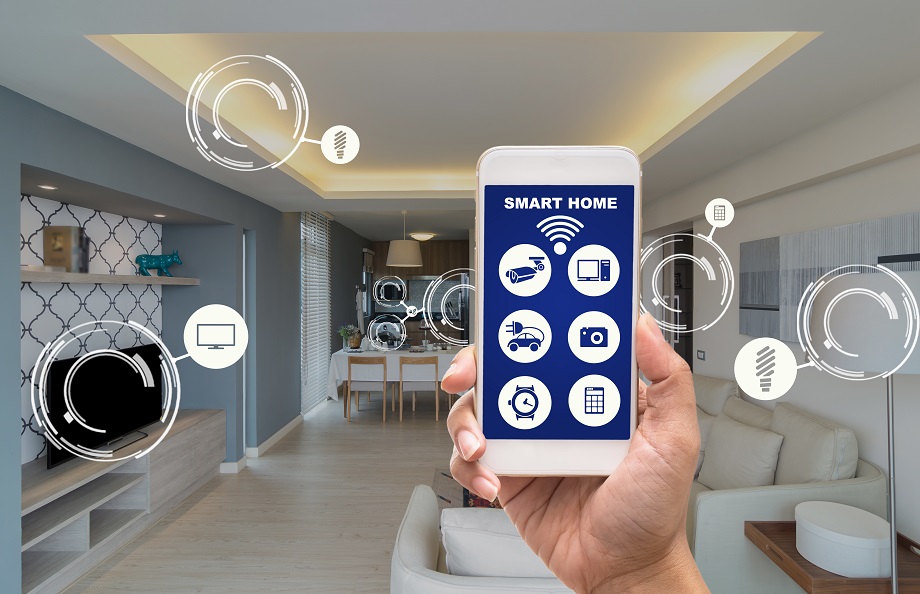
Smart Home Systems
Lights, thermostats, and security systems can learn usage patterns and adjust automatically to improve comfort and efficiency.
Robot Vacuum Cleaners
These devices use AI to map rooms, avoid obstacles, and clean efficiently without constant supervision.
Artificial Intelligence in Communication
AI plays an important role in how people communicate today.
Email Filtering
Spam filters use AI to detect unwanted messages and keep inboxes organized.
Translation Tools
AI-powered translators can convert text and speech between languages almost instantly, improving global communication.
Artificial Intelligence and Daily Decision-Making
AI helps people make better decisions, often without realizing it.
Financial Management
Budgeting apps analyze spending habits and offer insights to help users manage money more effectively.
Health and Wellness
Fitness apps use AI to track activity, suggest workouts, and monitor progress based on individual goals.
Is Artificial Intelligence Safe for Everyday Use?
For ordinary users, AI systems are designed with safety, privacy, and usability in mind. Most consumer applications follow strict guidelines to protect personal data and ensure ethical use.
That said, users should always:
- Review privacy settings
- Understand what data is being collected
- Use trusted platforms and services
Being informed helps users benefit from AI while maintaining control over personal information.
Why Artificial Intelligence Will Become Even More Common
AI adoption is growing because it offers real value:
- Saves time
- Reduces repetitive work
- Improves accuracy
- Enhances user experience
As technology evolves, AI will continue to integrate naturally into everyday tools rather than replacing people or creating complexity.
Artificial Intelligence as a Helpful Everyday Tool
Artificial Intelligence is no longer a futuristic concept. It is already part of daily routines, quietly working behind the scenes to make life easier, faster, and more personalized.
For ordinary people, AI is not something to fear or avoid. It is a practical tool that supports modern life, often without requiring any special knowledge or effort.
Understanding how AI fits into everyday activities helps people use technology more confidently and responsibly — today and in the years to come.