
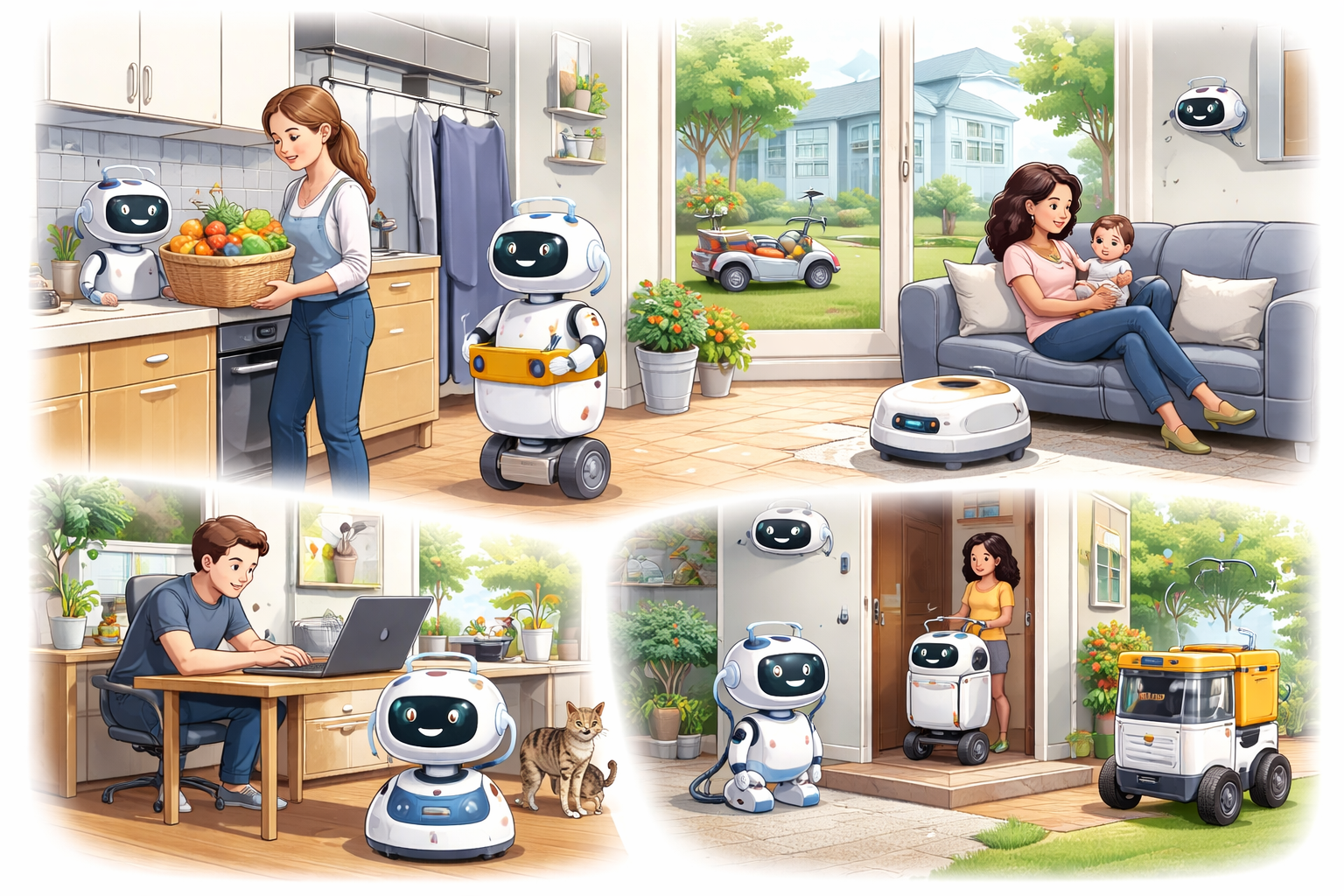
When people hear the word robot, many immediately think of science-fiction movies, humanoid machines, or futuristic worlds far removed from reality. While films have shaped our imagination, real robots are already part of everyday life — just not in the dramatic ways shown on screen.
Instead of walking and talking like humans, most real-world robots are designed to perform specific, practical tasks. They work quietly, efficiently, and often without drawing attention. This article explores where robots actually exist today and how ordinary people already interact with them beyond movies and fiction.
What a Robot Really Is in Real Life
In simple terms, a robot is a machine designed to carry out tasks automatically or semi-automatically. Some robots follow fixed instructions, while others use sensors, software, or Artificial Intelligence to adapt to their environment.
Most real robots are built for:
- Efficiency
- Precision
- Repetitive tasks
- Safety
They are not meant to replace human interaction, but to support daily activities and services.
Robots Are Designed for Function, Not Appearance
Unlike movie robots, real robots usually do not look human. Their design focuses on purpose rather than form.
Examples include:
- Machines with wheels instead of legs
- Robotic arms instead of full bodies
- Compact devices with sensors and cameras
This practical design makes robots more reliable, affordable, and easier to maintain.
Robots in Homes
One of the most familiar places where robots are used is the home.
Robot Vacuum Cleaners
Robot vacuum cleaners are among the most common household robots. They:
- Navigate rooms automatically
- Avoid obstacles
- Clean floors on a schedule
They reduce the need for manual vacuuming and work well in busy households.
Robotic Lawn Mowers
Some homes use robotic lawn mowers that:
- Cut grass automatically
- Follow predefined boundaries
- Return to charging stations when needed
These robots save time and reduce physical effort.
Robots in Stores and Shopping Centers
Retail environments increasingly use robots to improve customer experience and efficiency.
Inventory Robots
Some stores use robots to:
- Scan shelves
- Check product availability
- Identify pricing errors
These robots help staff keep shelves organized and products available.
Cleaning Robots
Large shopping centers and supermarkets often use floor-cleaning robots that:
- Operate during open or closed hours
- Clean large areas efficiently
- Reduce manual labor
Most customers pass by them without paying much attention.
Robots in Warehouses and Deliveries
Behind the scenes, robots play a major role in logistics.
Warehouse Robots
In warehouses, robots:
- Move products from one place to another
- Sort packages
- Assist human workers
They speed up operations and reduce physical strain on employees.
Delivery Robots
In some cities, small delivery robots transport:
- Groceries
- Packages
- Food orders
These robots usually move on sidewalks and are designed to operate safely among pedestrians.
Robots in Hospitals and Healthcare Facilities
Robots support healthcare workers in many ways.
Medication Delivery Robots
Hospitals use robots to:
- Deliver medications
- Transport medical supplies
- Reduce unnecessary staff movement
This allows healthcare professionals to focus more on patient care.
Cleaning and Disinfection Robots
Some robots are designed to disinfect rooms using specialized light or cleaning systems, helping maintain hygiene and safety.
Robots in Restaurants and Cafes
The food industry also benefits from robotic assistance.
Kitchen Robots
Some kitchens use robots to:
- Prepare specific ingredients
- Assist with repetitive cooking tasks
- Maintain consistency
These robots do not replace chefs but support them during busy hours.
Serving Robots
In certain restaurants, robots help deliver food to tables, especially in large or high-traffic environments.
Robots in Public Spaces
Robots are increasingly visible in public environments.
Information Robots
Some airports, hotels, and museums use robots to:
- Provide directions
- Answer basic questions
- Guide visitors
These robots improve accessibility and reduce waiting times.
Security and Monitoring Robots
In large facilities, robots patrol areas, monitor activity, and alert security teams if something unusual occurs.
Robots in Education
Educational environments also use robots in practical ways.
Learning and Teaching Robots
Robots are used to:
- Teach basic programming
- Support interactive learning
- Encourage problem-solving skills
They help students learn through hands-on experience rather than theory alone.
Why Robots Are Rarely Noticed
Most real robots are designed to blend into daily routines. They don’t demand attention or try to look impressive.
People often overlook them because:
- They perform background tasks
- They don’t interact emotionally
- They focus on efficiency
When robots work well, they simply feel like part of the environment.
Common Myths About Robots
Many movie-inspired myths don’t reflect reality.
Robots Replacing Humans
Most robots assist humans rather than replace them. They handle repetitive or physically demanding tasks while people focus on decision-making and creativity.
Robots Acting Independently
Real robots operate within strict rules, safety systems, and human oversight. They don’t make uncontrolled decisions like in movies.
How Robots Improve Everyday Life
Robots contribute by:
- Saving time
- Increasing efficiency
- Reducing physical strain
- Improving safety
Their value lies in practicality, not spectacle.
The Future of Robots in Daily Life
As technology advances, robots will become:
- More affordable
- More specialized
- More integrated into services
However, they will continue to focus on support roles rather than dramatic transformations of daily life.
Robots Are Already Around You
Robots are no longer confined to movie screens. They clean floors, move products, assist workers, and quietly support daily routines in homes, stores, hospitals, and public spaces.
By understanding where robots truly exist today, it becomes clear that they are practical tools designed to make life easier — not futuristic characters from fiction.
Robots in everyday life may not look exciting, but their impact is real, helpful, and already part of the world around us.