
Automation is often associated with factories, machines, or complex industrial systems. For many people, it sounds technical and distant from everyday life. However, automation is already present inside homes, quietly simplifying daily routines and reducing effort — often without drawing attention to itself.
You don’t need a fully “smart house” or advanced devices to benefit from automation. Many common household tools and services already rely on automated processes designed to save time, improve efficiency, and make life more comfortable for ordinary people.
This article explains how household automation works in simple terms and shows how it is already helping you, even if you rarely think about it.
What Household Automation Really Means
Household automation refers to systems or devices that perform tasks automatically, with minimal or no human intervention. These systems often follow predefined rules, schedules, or learned patterns.
Unlike complex Artificial Intelligence systems, basic automation focuses on consistency and convenience. Its main goal is not to “think,” but to act reliably and reduce repetitive work.
In everyday life, automation allows tasks to happen:
- On a schedule
- In response to specific conditions
- Based on user preferences
Automation Has Been in Homes Longer Than You Think
Many people assume home automation is a recent trend. In reality, automation has existed in households for decades.
Examples include:
- Washing machines with preset cycles
- Dishwashers that control water temperature and duration
- Thermostats that regulate heating automatically
These devices removed the need for constant supervision long before smart technology became popular.
Automated Cleaning in Daily Life
One of the most noticeable areas of home automation is cleaning.
Washing Machines and Dryers
Modern washing machines automatically:
- Adjust water levels
- Control temperature
- Set spinning speed
Users simply choose a program and let the machine handle the process. This saves time and ensures consistent results.
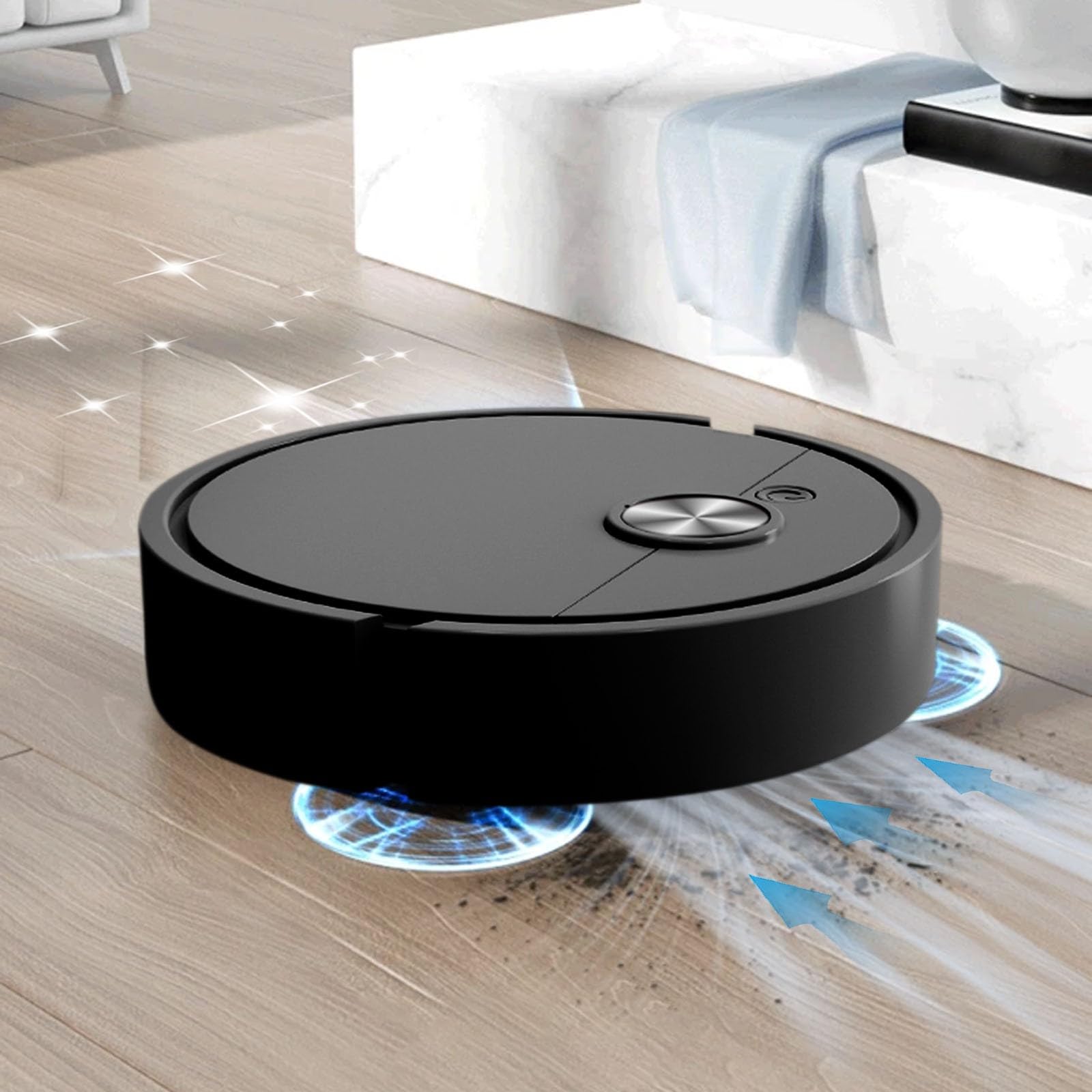
Robot Vacuum Cleaners
Robot vacuum cleaners automate floor cleaning by:
- Mapping rooms
- Avoiding obstacles
- Returning to charging stations automatically
They operate on schedules and clean without requiring constant attention, making them ideal for busy households.
Automation in Lighting and Energy Use
Lighting is another area where automation quietly improves comfort and efficiency.
Automatic Lighting Systems
Many homes use lights that:
- Turn on when motion is detected
- Turn off automatically when rooms are empty
This reduces energy waste and eliminates the need to manually control switches.
Timers and Smart Plugs
Timers and smart plugs automate appliances such as lamps, fans, and heaters. These tools:
- Follow daily schedules
- Reduce electricity usage
- Improve safety when users are away from home
Climate Control Without Daily Adjustments
Temperature regulation is one of the most helpful forms of household automation.
Programmable Thermostats
Thermostats can be set to:
- Lower temperatures at night
- Increase warmth before waking hours
- Adjust automatically during work hours
This ensures comfort without constant manual changes.
Energy Efficiency Benefits
Automated climate control helps:
- Reduce energy bills
- Maintain consistent indoor temperatures
- Minimize unnecessary heating or cooling
Automation in Kitchen Appliances
The kitchen is full of automated systems designed to simplify cooking and food preparation.
Coffee Makers
Many coffee machines can be programmed to brew coffee at a specific time. This small automation:
- Saves morning time
- Creates a predictable routine
- Reduces manual steps
Microwaves and Ovens
Modern ovens and microwaves automatically:
- Adjust power levels
- Control cooking time
- Prevent overheating
Users only need to select the desired option.
Automated Grocery and Household Supply Management
Automation also affects how households manage supplies.
Subscription Services
Many people use automated delivery services for:
- Household essentials
- Food items
- Cleaning products
These services ensure items arrive regularly without repeated ordering.
Reminder Systems
Apps and devices can send reminders when supplies are running low, helping households stay organized and avoid last-minute shopping.
Automation and Home Security
Home security is another area where automation provides peace of mind.
Automated Alarms and Sensors
Security systems automatically:
- Detect motion
- Monitor doors and windows
- Send alerts to users
This allows homeowners to stay informed without constant monitoring.
Lighting Automation for Safety
Lights that turn on automatically when someone approaches the house improve safety and discourage unwanted activity.
Automation in Water and Resource Management
Water usage is often automated to improve efficiency.
Automatic Irrigation Systems
Garden and lawn watering systems:
- Follow schedules
- Adjust based on weather conditions
- Prevent overwatering
This saves water and keeps plants healthy.
Leak Detection Systems
Some systems automatically detect leaks and alert homeowners, preventing damage and reducing repair costs.
Automation Saves Mental Energy, Not Just Time
One of the biggest benefits of household automation is reduced mental load.
By automating repetitive tasks, people no longer need to:
- Remember schedules
- Monitor routine processes
- Make constant small decisions
This frees up mental space for more important activities.
Automation Works Best When It Feels Invisible
Good automation doesn’t demand attention. It blends into daily life and works quietly in the background.
The best systems:
- Require minimal setup
- Operate consistently
- Rarely interrupt daily routines
When automation is effective, users often forget it exists — until something goes wrong.
Common Concerns About Household Automation
Some people worry that automation might:
- Be difficult to control
- Reduce personal choice
- Increase dependency on technology
In practice, most household automation allows full user control. Schedules can be changed, systems can be turned off, and manual operation remains available.
Automation is meant to support people, not replace decision-making.
Simple Ways to Start Using Automation at Home
For beginners, automation doesn’t need to be expensive or complex.
Simple starting points include:
- Using timers for lights
- Programming appliances
- Setting reminders on mobile devices
These small steps already deliver noticeable benefits.
Household Automation Is About Comfort and Simplicity
Automation in the home is not about turning houses into futuristic spaces. It’s about making everyday life easier, more predictable, and less demanding.
From cleaning and lighting to temperature control and security, automation quietly supports daily routines. Most people already rely on it without thinking twice.
By understanding how household automation works, ordinary people can use it more confidently and appreciate how much effort it saves — even when it goes completely unnoticed.