
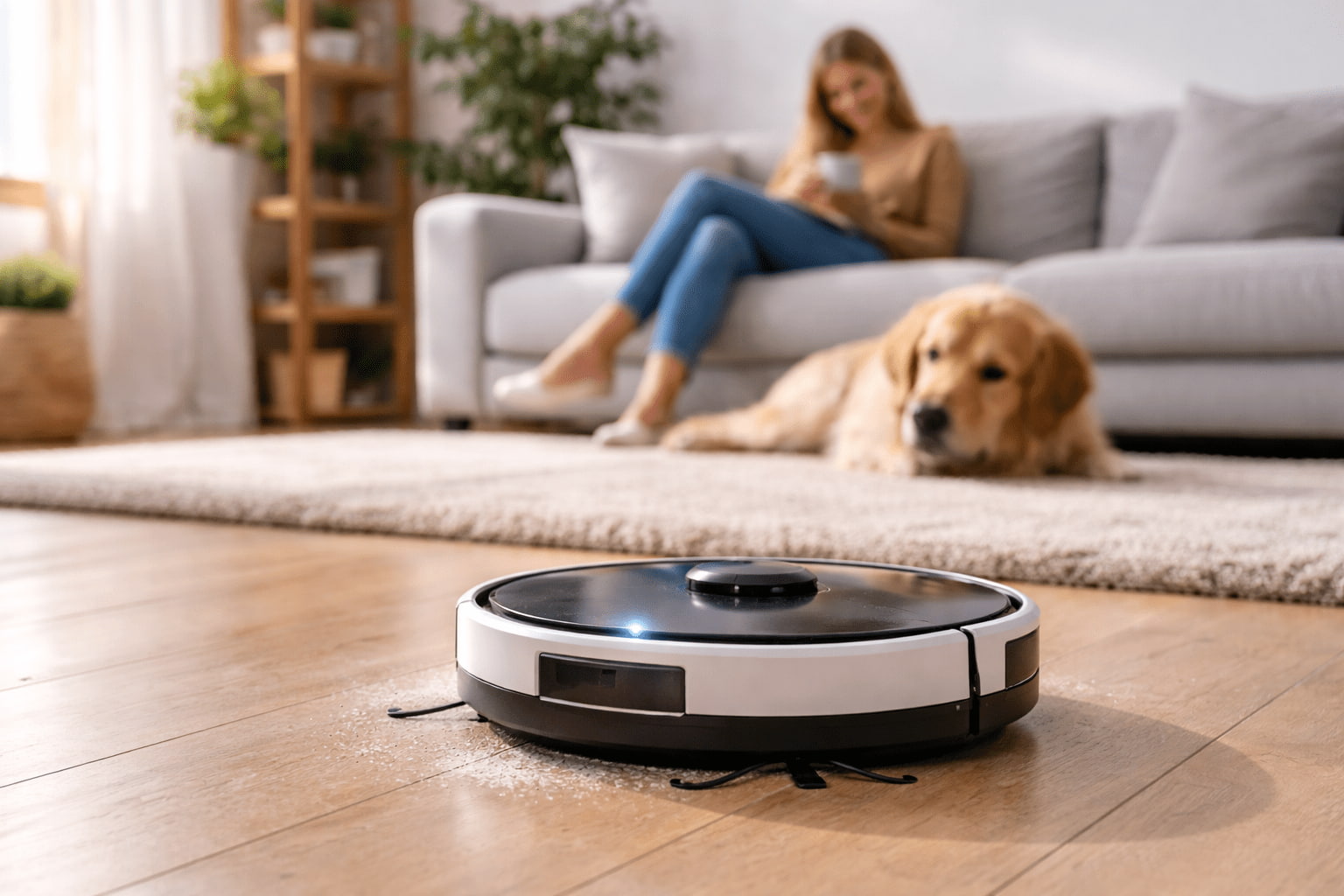
For many people, robots still feel like something distant or futuristic. In reality, robots are already part of everyday life, especially in homes and common services. They are not designed to look human or perform dramatic actions — their purpose is simple: to help with practical, repetitive, or time-consuming tasks.
This article presents clear and realistic examples of robots that already assist people at home and in daily routines, showing how these machines quietly make life easier for ordinary users.
What Defines a Home or Everyday Robot
A robot does not need to talk, walk, or think like a human. In everyday life, a robot is any device that:
- Operates automatically
- Uses sensors or programmed logic
- Performs tasks with little human intervention
Most household robots focus on efficiency, safety, and consistency rather than appearance.
Robot Vacuum Cleaners
Robot vacuum cleaners are one of the most common household robots.
How They Help
They automatically:
- Clean floors on a schedule
- Navigate around furniture
- Avoid obstacles and stairs
This reduces the need for frequent manual cleaning and helps maintain a cleaner home with minimal effort.
Why They Are Popular
They save time, require little supervision, and work well for people with busy routines.
Robot Lawn Mowers
In homes with gardens, robot lawn mowers are becoming more common.
What They Do
These robots:
- Cut grass automatically
- Follow predefined boundaries
- Return to charging stations when finished
They eliminate the need for regular manual mowing and operate quietly and efficiently.
Smart Kitchen Robots
Some kitchens use robots or automated devices to assist with food preparation.
Common Tasks
Kitchen robots can:
- Mix ingredients
- Prepare simple meals
- Maintain consistent cooking results
They are especially helpful for repetitive tasks and time-saving routines.
Robots in Home Security
Robots and automated systems are increasingly used for safety.
Security Robots and Devices
These systems can:
- Monitor movement
- Detect unusual activity
- Send alerts to homeowners
Some robotic devices patrol areas or monitor entrances automatically.
Cleaning Robots Beyond the Home
Robots also assist with cleaning in everyday public spaces.
Floor-Cleaning Robots
Common in:
- Shopping centers
- Airports
- Office buildings
They clean large areas efficiently and often operate during off-hours to avoid disruption.
Robots in Delivery Services
Delivery robots are becoming more visible in some cities.
What They Do
They:
- Transport small packages
- Deliver food or groceries
- Navigate sidewalks safely
These robots help reduce delivery times and support last-mile logistics.
Robots in Healthcare Support
Robots support healthcare environments in practical ways.
Daily Assistance
They are used to:
- Deliver medications
- Transport supplies
- Assist with sanitation
This reduces workload for healthcare professionals and improves efficiency.
Robots That Support Older Adults
Some robots are designed to assist elderly users.
Support Features
They may help with:
- Reminders for medication
- Emergency alerts
- Simple communication tasks
These robots promote independence and safety without replacing human care.
Why Everyday Robots Go Unnoticed
Most people don’t think about robots because:
- They work quietly
- They perform background tasks
- They don’t demand interaction
When robots do their job well, they blend naturally into daily life.
What Robots Do Not Replace
Despite their usefulness, robots do not replace:
- Human decision-making
- Emotional support
- Creativity
- Personal judgment
They are tools designed to assist, not replace people.
Common Concerns About Robots at Home
Some users worry about:
- Loss of control
- Complexity
- Reliability
In practice, most household robots:
- Are easy to control
- Include safety features
- Allow manual override
Users remain in control at all times.
How Robots Improve Daily Life
Robots contribute by:
- Saving time
- Reducing physical effort
- Improving consistency
- Supporting busy routines
Their value lies in practicality, not appearance.
Robots Are Practical Helpers, Not Science Fiction
Robots already play a quiet but important role in everyday life. From cleaning floors and mowing lawns to delivering items and supporting safety, they help people manage daily tasks more efficiently.
For ordinary people, robots are not futuristic experiments — they are practical tools designed to make life easier, safer, and more manageable. As technology advances, these helpers will become even more common, continuing to support daily routines without demanding attention.