
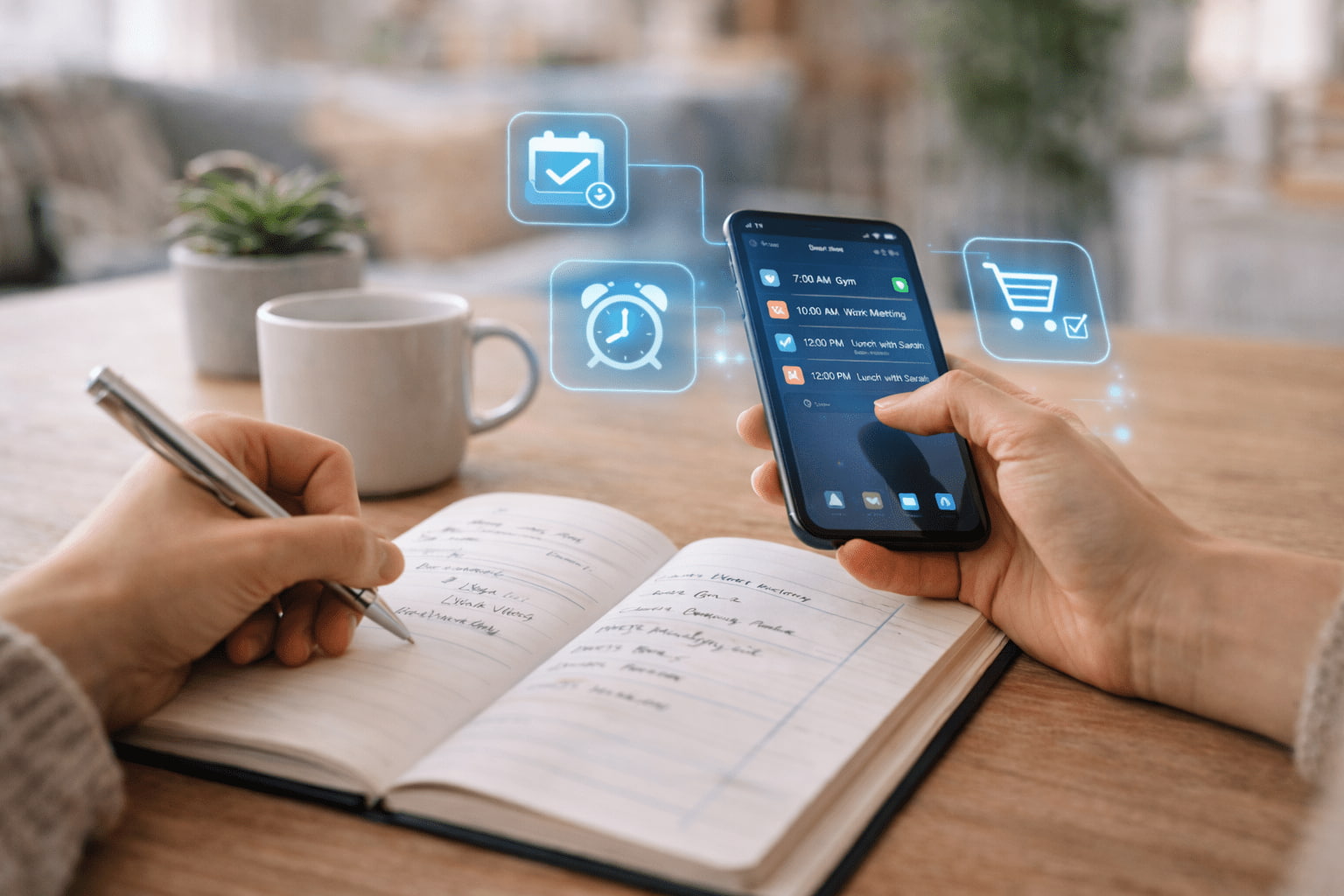
Keeping a daily routine organized can be challenging. Between work, personal commitments, household tasks, and rest, it’s easy to forget small but important activities. This is where automation becomes a quiet but powerful ally for ordinary people.
Automation is not about complex systems or advanced technology. In daily life, it simply means letting tools and apps handle repetitive actions so your routine becomes more predictable, efficient, and less stressful. This article explains how automation helps organize personal routines in practical, realistic ways that anyone can use.
Why Personal Routine Organization Is So Difficult
Most people don’t struggle because they lack discipline. They struggle because daily life requires managing too many small decisions.
Common challenges include:
- Remembering appointments and deadlines
- Managing recurring tasks
- Balancing work and personal time
- Avoiding mental overload
Automation reduces this pressure by handling routine actions consistently.
What Automation Means in Personal Routines
In everyday life, automation refers to systems that:
- Perform tasks automatically
- Follow schedules or rules
- Require minimal manual input
These systems don’t replace personal choice — they support it by removing unnecessary repetition.
Automation Helps Create Consistent Habits
Consistency is one of the hardest parts of building a routine.
Scheduled Reminders
Automated reminders help with:
- Wake-up times
- Exercise routines
- Medication schedules
- Daily tasks
Instead of relying on memory, people rely on systems that never forget.
Habit Tracking Apps
Some apps automatically track habits such as:
- Physical activity
- Screen time
- Sleep patterns
This creates awareness without manual logging.
Automation Reduces Mental Load
Mental load refers to the effort required to remember and manage daily responsibilities.
Automation helps by:
- Handling repetitive decisions
- Reducing the need to constantly plan
- Creating predictable routines
This leaves more mental energy for meaningful activities.
Organizing Time with Automated Calendars
Calendars are one of the most useful automation tools.
Smart Scheduling
Automated calendars can:
- Send reminders before events
- Prevent scheduling conflicts
- Suggest available times
This avoids missed appointments and last-minute stress.
Recurring Events
Tasks such as weekly meetings or monthly bills can be scheduled once and handled automatically.
Automation in Morning and Evening Routines
Daily routines are easier when actions happen automatically.
Morning Routines
Automation can help with:
- Alarm schedules
- Weather notifications
- Daily agenda summaries
This helps people start the day with clarity instead of chaos.
Evening Routines
Evening automation may include:
- Reminders to prepare for the next day
- Device “quiet mode” activation
- Scheduled lighting adjustments
These small actions improve rest and sleep quality.
Automation Helps Balance Work and Personal Life
Automation supports better boundaries.
Work Task Management
Task management tools automatically:
- Organize to-do lists
- Prioritize tasks
- Send deadline reminders
This prevents work from overwhelming personal time.
Personal Time Protection
Automation can remind users to:
- Take breaks
- End work sessions
- Disconnect from devices
This encourages healthier routines.
Automation in Household Organization
Household tasks also benefit from automation.
Bill Payments and Subscriptions
Automated payments prevent:
- Late fees
- Forgotten bills
- Financial stress
Once set up, these systems run quietly in the background.
Shopping and Supplies
Automated reminders or subscriptions ensure essential items are restocked without repeated planning.
Automation Supports Long-Term Goals
Long-term goals require consistency.
Automation helps by:
- Tracking progress automatically
- Sending motivational reminders
- Maintaining routines even on busy days
This makes goals feel more achievable and less overwhelming.
Common Concerns About Automating Personal Routines
Some people worry automation may:
- Reduce flexibility
- Create dependency
- Feel impersonal
In reality, most systems are customizable and optional. Users remain fully in control and can adjust or disable automation at any time.
Simple Ways to Start Using Automation
You don’t need many tools to begin.
Good starting points include:
- Calendar reminders
- Automated alarms
- Simple task apps
Even small automation changes can create noticeable improvements.
Automation Helps Routines Feel Lighter, Not Rigid
Automation doesn’t remove freedom. It removes friction.
By handling repetitive actions, automation allows people to focus on decisions that truly matter. Personal routines become easier to follow, more consistent, and less mentally exhausting.
For ordinary people, automation is not about living by machines. It’s about creating supportive systems that make daily life smoother, calmer, and more organized — one small automatic action at a time.