
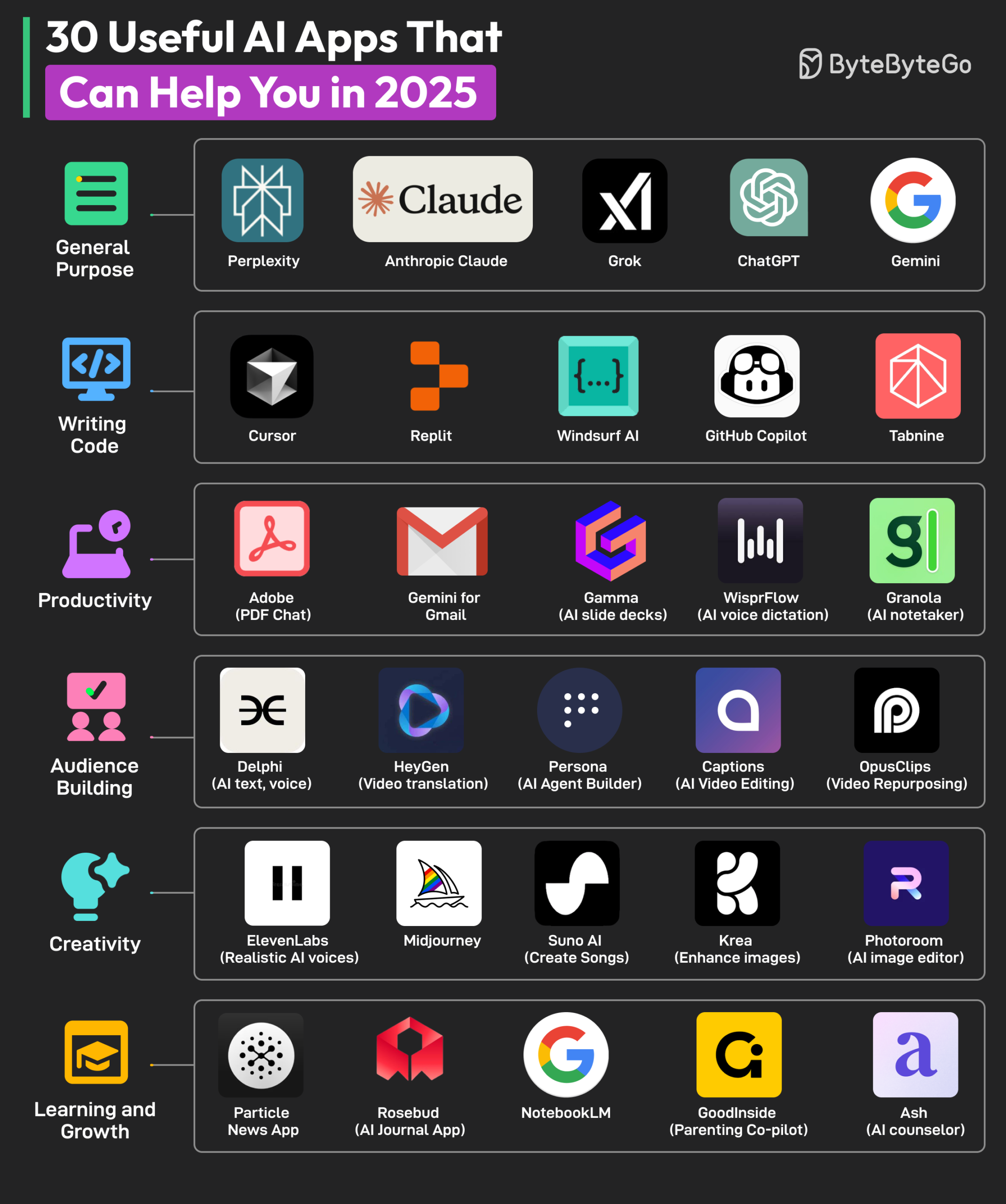
Artificial Intelligence often sounds like something advanced, technical, or futuristic. Many people imagine complex machines or robots replacing human work. In reality, AI is already present in simple, practical, and helpful ways that most people interact with every single day.
You don’t need to own smart devices or understand technology to use Artificial Intelligence. If you have a smartphone, access the internet, or use digital services, AI is already part of your routine. This article explores clear, simple, and real-life examples of AI that ordinary people use daily — often without realizing it.
Artificial Intelligence Works Quietly in the Background
One of the main reasons people don’t notice AI is because it works silently. Unlike traditional software that follows fixed rules, AI adapts, learns, and improves with usage.
Instead of asking you to configure settings or understand technical details, AI focuses on convenience. Its goal is to reduce effort, save time, and improve accuracy while staying mostly invisible.
Smartphone Features Powered by Artificial Intelligence
Your smartphone is one of the most common examples of AI in daily life.
Predictive Text and Keyboard Suggestions
When your phone suggests words while you type, AI is analyzing your writing patterns. Over time, it learns:
- Frequently used words
- Writing style
- Preferred language structure
This makes typing faster and reduces spelling errors without manual correction.
Voice-to-Text Dictation
When you speak and your phone converts speech into text, AI models recognize sounds, accents, and context. These systems improve accuracy by learning from millions of voice samples.
Face and Fingerprint Recognition
Unlocking your phone with your face or fingerprint uses AI to identify unique biometric patterns. The system compares real-time input with stored data to confirm identity securely.
Artificial Intelligence in Email and Messaging
AI plays a major role in how people manage communication.
Spam Filtering
Email providers use AI to analyze message content, sender behavior, and user interaction. This helps separate legitimate messages from spam, scams, and unwanted promotions.
Smart Reply Suggestions
Some email and messaging apps suggest quick replies. These suggestions are generated by AI based on:
- Message context
- Conversation tone
- Common response patterns
Artificial Intelligence in Search Engines
Every time you search for something online, AI helps deliver relevant results.
Understanding Search Intent
AI systems don’t just match keywords. They analyze intent to understand what you’re actually looking for, even if your search is vague or incomplete.
Personalized Results
Search engines may adjust results based on location, previous searches, and device type to provide more useful answers.
Artificial Intelligence in Navigation and Maps
Navigation apps rely heavily on AI to provide accurate directions.
Traffic Predictions
AI analyzes data from thousands or millions of users to detect traffic congestion, accidents, or road closures in real time.
Route Optimization
Instead of showing only the shortest distance, AI considers:
- Traffic flow
- Travel time
- Road conditions
- User preferences
This results in smarter route suggestions.
Artificial Intelligence in Streaming Platforms
Entertainment platforms use AI to personalize content.
Recommendations for Movies and Music
AI systems analyze:
- What you watch or listen to
- How long you stay on content
- What you skip or replay
Based on this behavior, the platform recommends similar content that matches your interests.
Content Ranking
AI decides which titles appear first, helping users discover content without searching endlessly.
Artificial Intelligence in Online Shopping
AI plays a key role in e-commerce experiences.
Product Suggestions
When you see “recommended for you” items, AI is comparing your behavior with similar users and past activity.
Search Autocomplete
Typing in a product search bar triggers AI-powered suggestions that predict what you’re looking for.
Fraud Detection
AI monitors transactions to identify unusual patterns and prevent fraudulent purchases.
Artificial Intelligence in Customer Support
Many companies use AI-powered chat systems to assist customers.
Chatbots
These systems can:
- Answer frequently asked questions
- Track orders
- Provide basic troubleshooting
AI chatbots operate 24/7 and improve responses as they learn from interactions.
Artificial Intelligence in Social Media
Social platforms rely on AI to shape user experience.
Content Feed Organization
AI decides which posts appear on your feed based on:
- Likes and comments
- Viewing time
- Interaction history
Content Moderation
AI helps identify inappropriate content, spam, and fake accounts to maintain platform safety.
Artificial Intelligence in Photos and Videos
AI improves visual content automatically.
Photo Organization
Smart galleries group photos by faces, locations, or events without manual tagging.
Image Enhancement
AI enhances image quality by adjusting lighting, sharpness, and colors automatically.
Artificial Intelligence in Daily Financial Tools
AI supports everyday money management.
Spending Insights
Budgeting apps analyze transactions and categorize expenses to show where money is being spent.
Alerts and Notifications
AI detects unusual spending behavior and sends alerts to prevent potential issues.
Artificial Intelligence in Health and Wellness Apps
Fitness and wellness apps use AI to personalize recommendations.
Activity Tracking
AI analyzes movement data to estimate calories burned and track progress.
Personalized Suggestions
Based on habits and goals, AI suggests workouts, rest periods, or activity reminders.
Why These Simple AI Examples Matter
These examples show that Artificial Intelligence is not about replacing people or creating complexity. Its main purpose is to:
- Reduce manual effort
- Improve accuracy
- Save time
- Enhance everyday experiences
AI succeeds when it feels natural and effortless.
How to Use Artificial Intelligence More Confidently
To get the most from AI-powered tools:
- Keep apps updated
- Review privacy settings
- Use features gradually
- Stay informed about data usage
Being aware allows you to benefit from AI while maintaining control over personal information.
Artificial Intelligence Is Already Part of Your Life
Artificial Intelligence is not a future concept waiting to arrive. It is already present in everyday tools used by millions of people worldwide.
From typing messages to finding directions, watching movies, or shopping online, AI quietly supports daily routines. Understanding these simple examples helps remove fear, confusion, and misinformation.
AI is not here to complicate life — it’s here to make everyday tasks easier, faster, and more efficient for ordinary people.